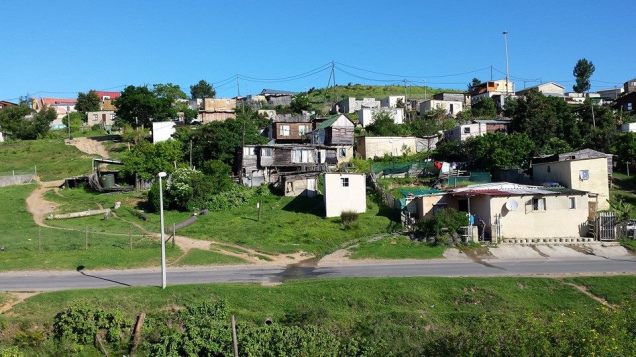
I realized after I posted my previous blog “Growing up in the Township”, that many of you may not know what a “township” is.
When Kurt and I first decided to come with a mission team (2014) to South Africa to work in a township, I had no earthly idea what a “township” was. I envisioned a “village”. Huts. No running water. Little to no electricity. Women carrying baskets on their heads, etc. You know, National Geographic stuff.
That is not what I found. And although a township is not like the “village” I pictured, it is vastly different from first world living as we know it… I would call it second world.
In South Africa, the terms ‘township’ and ‘location’ are used interchangeably. My friends in the township usually call it “The Location”, while my friends in town call it “The Township”. Anyway, the terms refer to an undeveloped segregated urban area. These were areas set aside for non-whites to reside … Blacks, Coloureds and Indians during colonialism and then again during the apartheid era. They are built on the periphery of towns and cities.
During the apartheid era, “white only” living areas were established and non-whites that were living in these areas at the time were evicted and forced to move into segregated townships. Separate townships were established for each of the three designated non-white race groups (Blacks, Indians and Coloured: mixed race). If you read Trevor Noah’s book, “Born a Crime”, you will learn a lot about South African Coloureds. He puts a humorous spin on a not so humorous life.
Since apartheid ended in 1991, all people have legally been allowed to reside where they choose. However, financial strain has kept lots of people of color living in the townships. This is because although whites are a minority in South Africa, they are the financial majority.
My first time here, Kurt and I took a “township tour” (Which I highly recommend if you ever visit South Africa). I convinced myself that people who live in the townships must try to do anything and everything they can to move out. To live in town. In neighborhoods like many of us. Why? Because I saw this as oppression. They MUST rise above this way of living.
Then I started to ask questions of the friends I made living in the township…
“If you dreamed of and had success in financial terms, what would you do with your money?” I asked. “I would build a house for my mom”, is the #1 answer. Mom is the answer, because most likely she is the one who has not walked away from the family. She may or may not be a good mom. She may be a faithful mom or a scarce alcoholic. She may be tender and sweet or violent and angry. It doesn’t matter. She stayed!
So the question that follows is, “Where would you build this house?” Not to my surprise the answer is “Knysna”. This area is so absolutely beautiful. It is the paradise that many inland South Africans come to vacation. Hills, mountains, beaches… a coastal town so full of God’s beauty!
Next question, “Where in Knysna would you build this house?” This is where I fully expect them to name one of the gated, golf-course communities. The pristine neighborhoods with large homes overlooking the Indian Ocean. No. “The Location” is the answer. Not sometimes. Always!
Stunned, I ask, “Why?”… “Because this is our community. This is where our family lives. This is our home.”
I get it.
As an outsider, I saw falling down shacks, rows of small concrete homes and narrow dirt roads. I saw unfamiliar life styles, people of color flooding the streets and children playing with old tires and sticks. I saw roaming unattended animals… dogs, pigs, cows, donkeys and chickens. I saw everything that does NOT resemble MY community at home. I saw poverty and feared the danger it may bring.


But as I traveled through the township daily over the years and got to know the people… I mean really got to know them, I started to see things differently. Now I see the homes of families and friends. I see convenience stores, hair salons and tailors (all located in metal shipping containers or shacks) as local businesses convenient to walk to. I see the primary schools and high schools children attend. And the creches (preschools) caring for babies and toddlers. I see the clinic, library, churches and fire station helping to serve basic needs. I see security in a community.
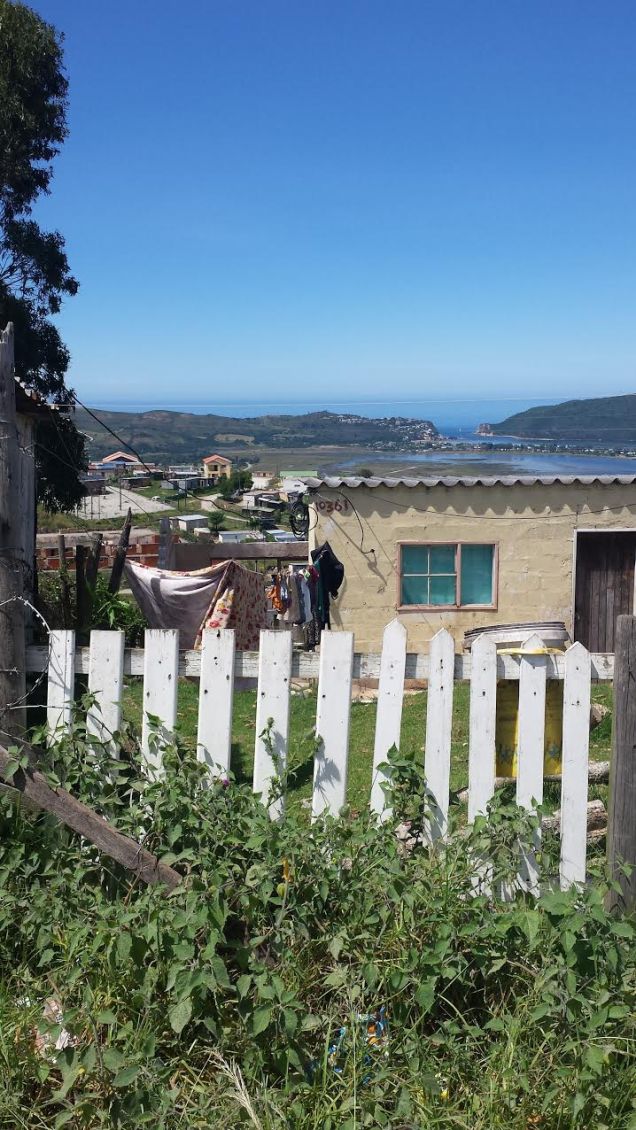


That is why I get it now. These are many of the same things I want, need and demand in my own community.
The problem is this… with 55,000 people living in the township in Knysna, the infrastructure is not sufficient to meet the needs of this community. School classrooms have 50 and above children per class. 50+. OK teacher friends… Just picture that! Standing room only. Not enough desks, chairs nor textbooks for the students. And believe it or not, even with those numbers, they do turn kids away. Some children may not be offered an education! Can you even imagine?!
Finally, although the townships have many things needed in the life of the residents; people who live there cannot avoid trips into town. They must travel to town for jobs, groceries, retail stores, skill centers, hospitals, police stations, post offices, gas stations and many other things. Very few own cars, so they must walk or take a taxi (15-seater van) that travels to and from town.
Things aren’t easy for those that live in the township. There are stumbling blocks around EVERY corner. But it is life. It is township life. And every day that I am here, I have the privilege of doing life together with my new friends.
I serve an awesome God. ~ Tracy Cooper
 Gingersnaps
3 thoughts on “What is a South African “Township””